Rediscover yourself through movement
“If you know what you’re doing, you can do what you want.”
What is Feldenkrais®?
The Feldenkrais Method® is an approach to learning through movement and awareness. Rather than working toward a prescribed form, you explore how you move and notice what changes as you try different possibilities.
Lessons invite small, comfortable movements and time to sense their effects. The interest is in the process of learning, not in stretching farther, working harder, or achieving a perfect posture.
Neuroplasticity is the nervous system’s ability to change through experience and learning. Feldenkrais lessons put learning into practice through attentive sensing, movement variations, and repeated comparison: you explore alternatives to familiar habits through your own experience. Research on motor learning offers context for this approach, without establishing that every Feldenkrais lesson produces a specific brain change.
Further reading
Book — Dr. Norman Doidge is a psychiatrist, psychoanalyst, researcher, and author known for his books on neuroplasticity. His book The Brain’s Way of Healing introduces the Feldenkrais Method through stories. It offers an accessible introduction, rather than direct clinical evidence.
The story behind the method
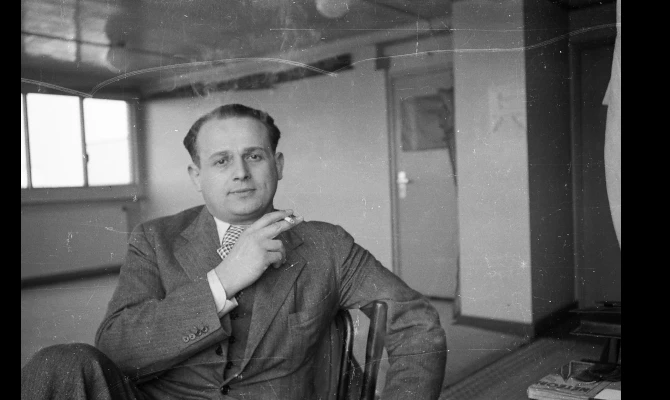
Dr. Moshe Feldenkrais (1904–1984), the founder of the Feldenkrais Method®, was an engineer, physicist, and judo practitioner. In the 1930s, he studied in Paris and worked as a research assistant to Frédéric Joliot-Curie at the Radium Institute. His scientific curiosity was accompanied by a practical interest in balance and movement.
An old knee injury became a turning point. When the trouble returned and the outcome of surgery was uncertain, he began exploring his own movement. Drawing on his scientific training and martial arts experience, he investigated how movement, sensation, and learning relate to one another.
That personal inquiry grew into a lifelong study, drawing on anatomy, psychology, and child development. Over time, he developed the group and individual learning approaches now known as Awareness Through Movement® and Functional Integration®. A difficulty in his own life became the starting point for helping others explore new possibilities.
Biography: Feldenkrais Guild of North America · International Feldenkrais Federation
Two ways to learn
Functional Integration®
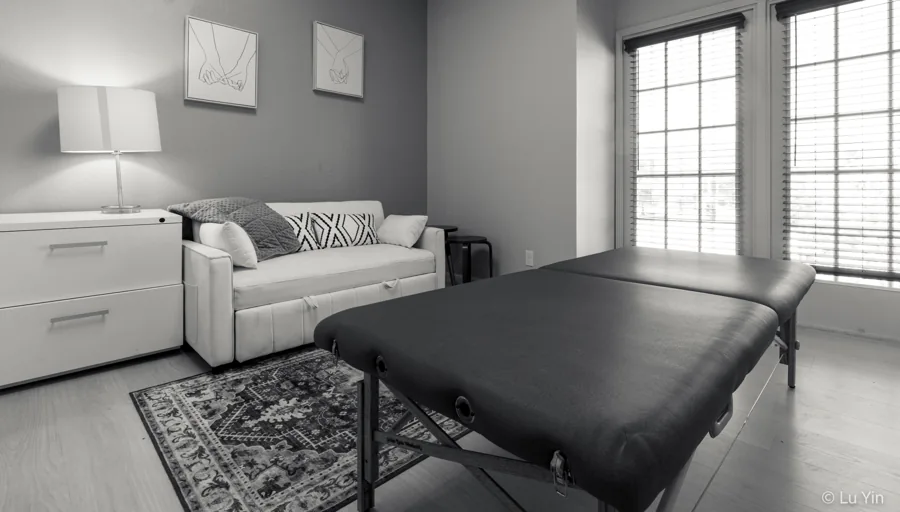
Functional Integration® (FI) is an individual lesson. Through gentle touch and guided movement, we develop awareness of different parts of your body and explore how this awareness can open a deeper understanding of yourself, beyond the physical.
You remain clothed. The lesson is shaped around your interests, comfort, and responses, and may involve lying on a table, sitting, or standing.
Awareness Through Movement®
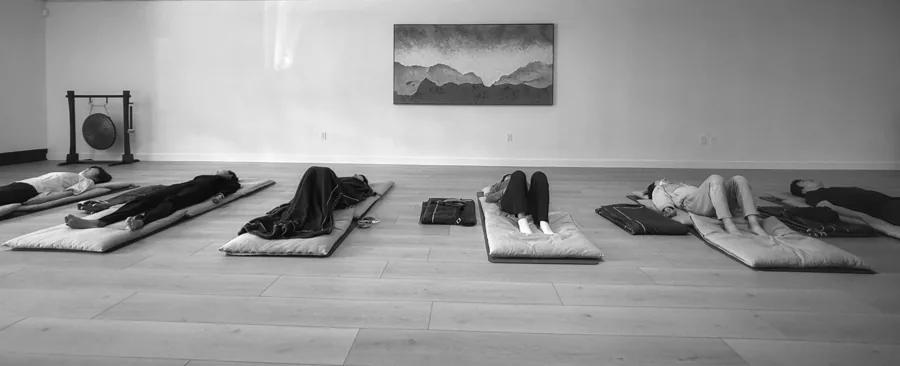
In an Awareness Through Movement® (ATM) lesson, a practitioner guides a sequence of movements through spoken invitations. These lessons often take place in a group, with each person exploring at their own pace.
You may lie on a mat, sit, or stand, depending on the lesson. Pauses and rest are part of the learning.
Listen and explore at home
Explore short 5–10 minute practices and full-length 45–60 minute ATM lessons. Follow at your own pace, with room to pause and rest.
Explore Audio LessonsDuring a lesson
You set the pace. You can rest, ask questions, adapt a movement, or decline any invitation. There is nothing to perform and no requirement to complete every movement.
Who is it for?
You are welcome here if you are curious about how movement shapes everyday life, how bodily awareness can inform decisions alongside thought, or how movement relates to emotions and a sense of feeling stuck. We explore these questions gently, allowing understanding to emerge through your own experience. No particular level of flexibility or previous movement experience is needed.
Feldenkrais® is an educational movement practice. Nature Somatic does not present it as a treatment or cure for medical or mental-health conditions.
Elaine's approach
Elaine's teaching emphasizes curiosity, choice, and attention to differences. Her background in education and mindfulness informs a learning environment where there is time to ask questions and listen to your experience.
A group class offers shared exploration through verbal guidance. An individual lesson gives more space for personal interests and hands-on learning, where agreed.
Advanced seminars & guest workshops
The Art of Balance
October 19–21, 2026
Open flyerHead and Neck in Functional Relationship for Self and the World
January 19–21, 2026 · Past seminar
Open flyerStudent experiences
“The gentle movements and mindful awareness relaxed tension that had been built up for years.”
“Both group classes and private class experiences were fantastic. In group classes, Elaine gives verbal instructions of movement. I find her voice very gentle and subtle and I could ease into my movement and my body.
In private class I didnt have to do anything than just lying down. Elaine would move and touch from head to toe, and I came out of the session so relaxed and full of gratitude for my body, clear mind, and for presence”
“The touch felt gentle, steady, and grounding.
My arms and legs were moved a little, but the movements were so subtle that my limbs hardly sensed any external force. It almost felt as though they were moving by themselves.
Emotionally, I felt that I had been treated with great care. There was not a trace of force that my body had to endure.”
“Elaine’s practice helped my body to recognize its held stress and to develop long-term capabilities for releasing it. Her gentle care provided a fresh perspective on bodywork and sparked my curiosity in the intersection of body and mind”
Frequently asked questions
Do I need to be flexible?
No. The focus is on awareness and learning, rather than a particular range of movement. You can adapt movements and rest whenever you need.
What should I wear?
Choose comfortable clothing that allows easy movement. For an individual lesson, you remain clothed. Ask about any specific arrangements before your visit.
Is Functional Integration® massage?
FI is a movement-learning lesson using gentle touch and guided movement. Its focus is exploration and awareness, rather than massage techniques.
How do I choose a group or individual lesson?
A group lesson may suit you if you enjoy following spoken guidance at your own pace. A private session offers more individual attention. You are welcome to ask which format might fit your interests.
Start with a conversation
Share whether you are interested in a group class or an individual session, along with any practical questions. You do not need to send confidential health information.
Inquire about a lessonCurious about working together?
Whether you're interested in an individual session, a class, or an upcoming workshop, you're welcome to reach out.